A varied activity program is central to a good adult day center. It gives participants a reason to attend, supports their physical and social well-being, and gives families confidence in the care their loved one receives.
This list sets out 75 adult day care activities, grouped by type to help you plan a balanced schedule. Most are suitable as group activities for older adults and need few materials. A free printable activity calendar is available at the end.
Planning principles
Match activities to abilities and interests. The Alzheimer's Association recommends keeping each person's skills in mind and focusing “on enjoyment, not achievement.” Most activities below can be adapted for different abilities, and many are suitable as dementia-friendly activities.
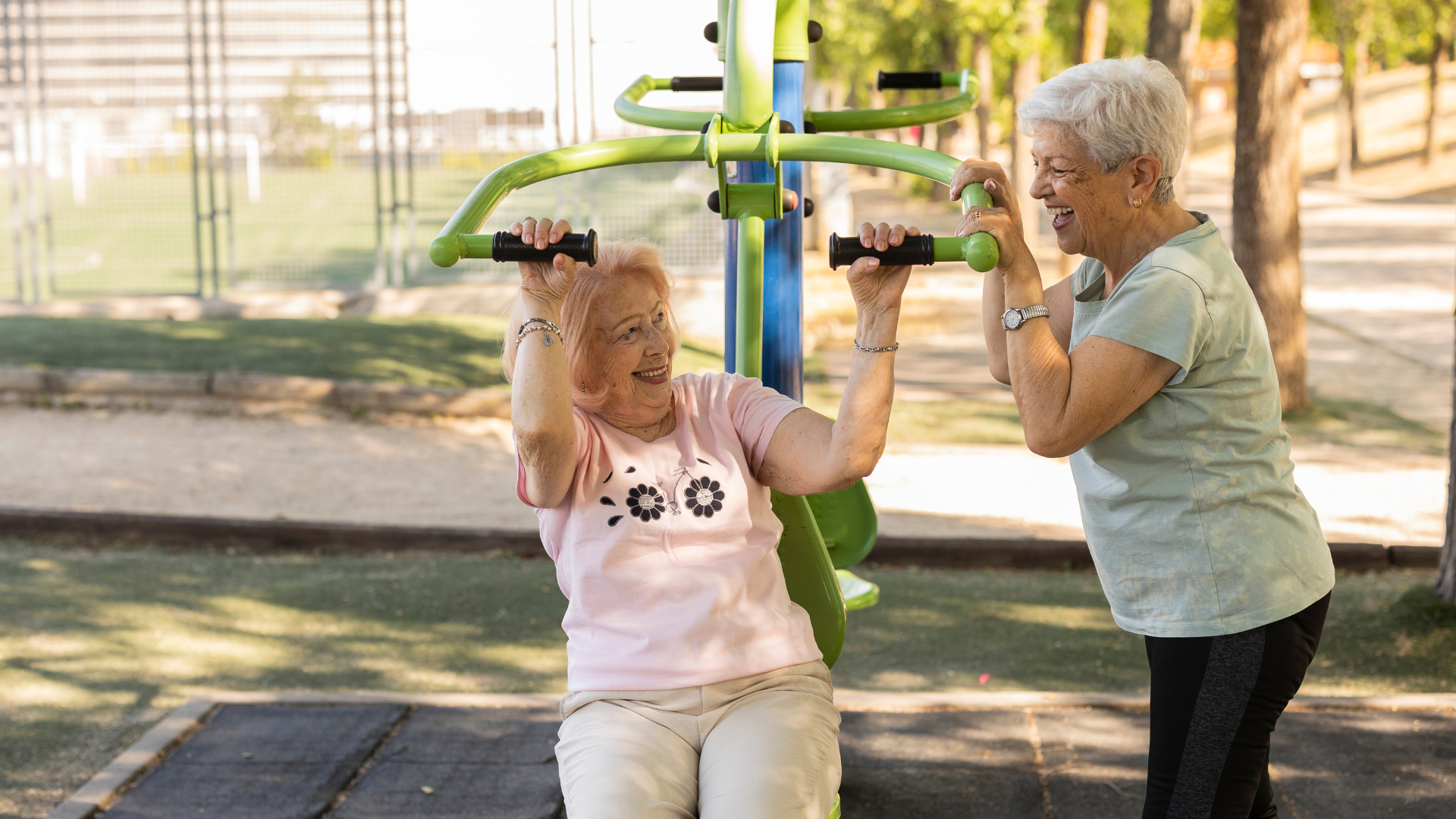
Balance the day. Include movement, social time and quieter activities each day. The CDC recommends that adults 65 and older get at least 150 minutes of moderate activity a week, along with muscle-strengthening activities on at least 2 days and activities to improve balance.
Consider timing. Schedule physical and cognitive activities earlier in the day, when energy is usually higher, and calmer activities in the afternoon.
Movement and exercise
1. Chair yoga: seated stretching and breathing.
2. Seated volleyball: keep a beach ball in the air from chairs.
3. Balloon tennis: paper plate paddles and a balloon.
4. Walking club: indoor laps or a short outdoor route.
5. Balance practice: supported exercises led by trained staff.
6. Resistance band workout: light bands for arms and shoulders.
7. Chair dancing: simple movements to music.
8. Indoor bowling: plastic pins and a soft ball.
9. Bean bag toss: aim for buckets or rings.
10. Tai chi for beginners: slow, seated or standing movements.
11. Parachute games: group lifting and rippling.
12. Morning stretch: a short warm-up to familiar music.
Music
13. Sing-alongs: well-known songs with large-print lyrics.
14. Name that tune: guess the song from the opening bars.
15. Rhythm circle: hand drums and shakers.
16. Live music visits: local musicians, school bands or choirs.
17. Music and memories: discuss songs from each decade.
18. Bell choir: color-coded hand bells.
19. Request hour: participants choose the music.
20. Music bingo: song titles instead of numbers.
Creative arts and crafts
21. Watercolor painting: simple subjects such as flowers.
22. Collage making: themed magazine cut-outs.
23. Clay modeling: good for hand strength.
24. Seasonal decorations: decorate the center through the year.
25. Card making: birthday, holiday and thank-you cards.
26. Group mural: a shared piece built over several weeks.
27. Knitting and crochet circle: experienced crafters teach beginners.
28. Flower arranging: fresh or silk flowers.
29. Adult coloring: detailed designs with quality pencils.
30. Photography walk: capture images around the center.
Reminiscence and conversation
31. Memory boxes: share objects with personal meaning.
32. This day in history: discuss past events from the same date.
33. Photo sharing: participants share and discuss family photos.
34. Hometown map: mark where everyone grew up.
35. First jobs: share stories about early working life.
36. Life story interviews: participants or volunteers interview each other.
37. Vintage objects: identify and discuss items from the past.
38. Recipe memories: talk about favorite family dishes.
39. Classic TV and film: watch short clips and discuss.
Brain games and learning
40. Trivia: mixed topics such as geography and music.
41. Word games: complete well-known sayings.
42. Large-print puzzles: crosswords and word searches on a big screen.
43. Bingo: standard or themed cards.
44. Jigsaw puzzles: sized to suit the group.
45. Card games: rummy, go fish or matching games.
46. Guess the object: identify items by touch.
47. Guest speakers: local historians, librarians or naturalists.
48. Current events: discuss a short, positive news story.
Cooking and food
49. No-bake treats: trail mix or simple desserts.
50. Taste testing: compare and vote on fruits or teas.
51. Cookie decorating: pre-baked cookies or cupcakes.
52. Build-your-own lunch: sandwiches or pizzas.
53. Smoothie making: choose fruit and blend.
54. Recipe book project: compile participants' recipes.
Review dietary needs, allergies and swallowing plans before any food activity.
Nature and gardening
55. Indoor herb garden: plant and care for herbs.
56. Raised-bed gardening: table-height beds for easier access.
57. Bird watching: a window feeder and sightings chart.
58. Nature walks: short, accessible routes.
59. Flower pressing: use pressed flowers in cards.
60. Pet visits: through a certified therapy animal program.
Social, community and intergenerational
61. Student visits: shared activities with local schools.
62. Pen pals: letter exchanges with a school class.
63. Volunteer projects: make items for local charities.
64. Themed days: decades, sports or cultural themes.
65. Birthday celebrations: a monthly group celebration.
66. Cultural celebrations: traditions, food and music from participants' backgrounds.
67. Virtual tours: museums, parks and cities on screen.
68. Family days: invite families to join an activity.
Calm and sensory
69. Aromatherapy: discuss familiar scents and the memories they bring.
70. Hand massage: one-to-one, with consent.
71. Guided relaxation: breathing exercises with calm music.
72. Sensory bins: textured materials with objects to find.
73. Purposeful tasks: folding towels or sorting buttons.
74. Reading aloud: short stories, poems or a serialized book.
75. Nature videos: a quiet way to close the day.
Building your monthly calendar
Whether you run a small social program or a large adult day health center, a consistent daily structure helps participants know what to expect. Rotate the activities within that structure to keep the program varied. A simple daily pattern:
- Morning: a movement session.
- Late morning: a brain game, music or creative activity.
- After lunch: a social, reminiscence or nature activity.
- Late afternoon: a calm activity before departure.
Record participation and engagement, and use what you learn to refine the following month. StoriiCare's activity calendar lets you schedule recurring and one-off activities for groups or individuals, record attendance with notes on engagement and mood, and display the day's schedule on any screen with Digital Signage. Families can also view planned activities in the StoriiCare Family app.
Download your free printable calendar
Our printable activity calendar includes a color-coded cover page for birthdays, guests and family notes, plus four weeks of Monday to Friday plans, with four daily slots (morning movement, late morning, after lunch and wind down) filled in with numbered activities from this list. A blank planner page is included for your own planning.
Download the free printable activity calendar (PDF)
To see how StoriiCare can help you plan, track and share activities, book a demo with our team.